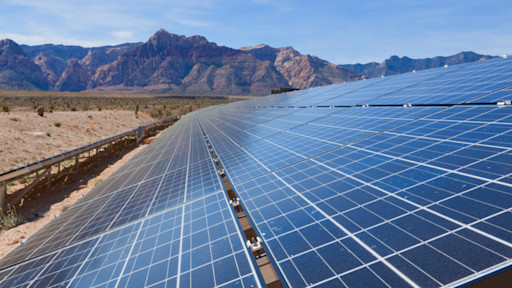
Action Source renewable electricity with PPA Power Purchase Agreements (PPA) enable companies to source renewable electricity and achieve operational cost savings without upfront investments. Explained by WBCSD Decision Making Energy demand Investment strategy Procurement policy Last updated: 18/05/2023
Action Use nature-based solutions as part of Net Zero action Companies can both decarbonize land use sector activities and contribute to global Net Zero through investing in nature-based solutions Explained by WBCSD Investment strategy NbS Operational policies Last updated: 01/11/2022
Action Opt for electric medium temperature heating systems Electrifying medium temperature heating systems within industry player’s operations allows for lower operating costs, higher efficiency and lower CO2 emissions Explained by WBCSD Electric heating Industry heating Procurement policy Last updated: 01/11/2022
Case Study Harness green hydrogen for ammonia generation Green hydrogen as an efficient and economically viable decarbonization solution for industrial use, reducing natural gas requirements and GHG emissions Applied by Iberdrola Business model Partnership Renewable Energy Last updated: 01/11/2022
Action Shift from gas or coal to electric industrial furnaces The decreased cost of electrical equipment and increased energy efficiency grows opportunites for electrictrifying industries, enabling a reduction in GHG emissions Explained by WBCSD Industrial furnaces Industry heating Procurement policy Last updated: 01/11/2022
Action Move from gas to electric low temperature heating systems Electrifying low temperature heating processes offers higher energy efficiency, lower investment while significantly reducing operational GHG emissions Explained by WBCSD Electric heating Industry heating Procurement policy Last updated: 01/11/2022
Action Opt for solar thermal water heating in buildings Installing solar thermal can reduce the indirect use phase carbon dioxide emissions in water heating, with the potential varying with climate conditions. Explained by WBCSD Building heating Procurement policy Solar Panels Last updated: 01/11/2022
Action Switch to electric/hybrid heat pumps in buildings The use of electric or hybrid heat pumps is becoming more competitive economically in recent years and can accelerate the process of decarbonization. Explained by WBCSD Building heating Heat pumps Procurement policy Last updated: 01/11/2022
Action Switch to electric/hybrid boilers in buildings Installing electric or hybrid boilers for building heating reduces carbon dioxide emissions across all stages of the product life cycle and all GHG scopes Explained by WBCSD Building heating Electric boilers Procurement policy Last updated: 01/11/2022
Action Generate electricity with onshore wind A switch from coal -and gas- based electricity generation to onshore wind can reduce related lifecycle emissions while enabling cost efficient electricity generation Explained by WBCSD Investment strategy Procurement policy Renewable Energy Wind energy Last updated: 01/11/2022
Action Decarbonize road freight transport with fuel cell trucks Switching to fuel cell electric vehicles (FCEVs) from internal combustion engines (ICEs) could lower direct fuel combustion emissions from fossil fuels Explained by WBCSD Electric cars Hydrogen Investment strategy Procurement policy Last updated: 01/11/2022
Action Decarbonize transport with battery electric vehicles Switching to battery electric vehicles (BEVs) is an alternative to internal combustion engines (ICEs) which can reduce direct fuel combustion emissions from fossil fuels Explained by WBCSD E-mobility Electric cars Last updated: 01/11/2022