
Context
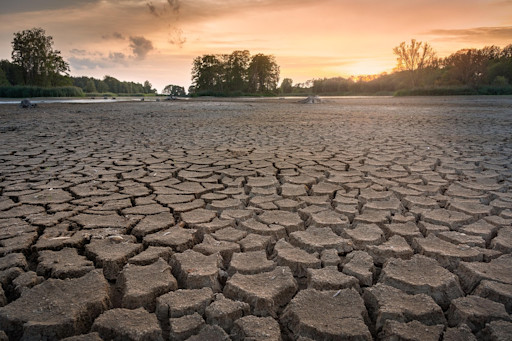
In 2024, the world experienced 58 natural disasters (such as floods, wildfires, droughts, heatwaves, and storms) that caused over USD $1 billion in damages each (1). At the same time, Swiss Re estimates that insurance losses from natural disasters are rising at 5–7% annually, reaching USD $145 billion by the end of this year (2). In particular, commercial buildings and infrastructure, ranging from office buildings to production facilities, warehouses, roads and power grids, face increasing exposure to the growing risk of natural hazards. For businesses, this requires shifting from reactive recovery efforts towards proactive prevention strategies.
Research by UNEP has shown that Nature-based Solutions (NbS) – which are defined as actions to protect, conserve, restore, and sustainably manage different types of ecosystems to address business and societal challenges – can reduce the negative effects of natural hazards and simultaneously provide tangible benefits for the implementing business (3). By applying NbS at the landscape level with the involvement of local experts and stakeholders, these solutions achieve their greatest impact in terms of cost savings and protection potential against natural hazards.
Iberostar Beachfront Resorts, a privately-owned hotel chain in the responsible tourism sector that operates over 100 hotels worldwide, faces significant risks from droughts due to its properties being located in drought-prone areas, exacerbated by shifting climate patterns. Therefore, the company developed a comprehensive strategy to assess and address these risks through Nature-based Solutions.
Solution
Iberostar first conducted a property-level risk assessment across all its hotel sites, using a range of climate modelling scenarios to capture uncertainty about future conditions. These models are layered with site-specific data on exposure and vulnerability, so that risks such as drought, desertification, or flooding can be assessed simultaneously. This provides a robust basis for prioritizing sites across the portfolio.
To create measurable results of the risk assessment, Iberostar establishes environmental baselines for each property, combining multiple spatial data layers such as zoning, topography, wetlands, and land cover, together with local observations. In locations where data quality or availability is limited, the company collaborates with research centers, consultancies, and local partners to fill the gaps. These baselines capture both the external hazard and the environmental conditions of each site, such as soil quality, vegetation cover, or dependency on irrigation.
Figure 1: Iberostar’s spatial data layers help to identify high-risk locations across all of the company’s hotels

The results of the baselines and risk analysis are then translated into a traffic-light system that provides a clear operational framework for decision-making. Properties are classified into red, yellow, or green categories depending on the timing and severity of projected risks. For example, sites with drought risks expected to materialise in the near term are flagged red and prioritised for immediate action. This classification is applied across multiple dimensions – environmental risks, ecosystem services, and regreening opportunities – allowing Iberostar to see at a glance which hotels need urgent interventions and which can be addressed in the long-term.
The drought response is closely tied to Iberostar’s broader water management strategy, which is built around four pillars: addressing destination water scarcity, reducing consumption and reusing water within operations, continuous monitoring and quality assurance, and sustainable wastewater treatment. In this more holistic context, Iberostar deploys its nature restoration and regreening program, which is therefore not a stand-alone activity but is integrated into these water management objectives. By focusing on replacing invasive plants with drought-resilient native and endemic species, Iberostar reduces irrigation needs, improves soil water retention, and strengthens the resilience of both its hotels and the local ecosystems they depend on.
To ensure successful project outcomes, the Regreening strategy 2030 was created. The strategy tasked each hotel with developing a local action plan to eradicate invasive species and substitute them for native and endemic species. To support the process, the company conducted detailed plant inventories, often in collaboration with botanical gardens, to classify species into invasive, exotic, native, or endemic groups. A protocol for invasive species eradication has been established, with the aim of making all hotels free of invasive plants by 2030. At the same time, targets have been set for maintaining 25% of each hotel’s area as green cover, achieving a Green Plot Ratio (GPR) of 3:1, and replacing high-water-demand grass with more resilient vegetation. Each hotel prepares its own Regreening Action Plan, quantifying costs, sequencing actions over time, and submitting them for central review. Progress is tracked using indicators such as plant inventories, green cover, and GPR, and by mid-2025 submission rates were high across different regions (over 75% of hotels had submitted an action plan, and more than 55,000 native and endemic plants were either in propagation in various nurseries at Iberostar or had been planted across the hotels).
Looking further ahead, the Regreening strategy extends these efforts with a longer-term, landscape-level perspective. The plan requires hotels to identify and map precise locations for eradication and replacement, specify native and endemic replacement species, quantify the economic costs of these actions, and set detailed implementation schedules – in line with the company’s commitments to the Global Biodiversity Framework and the Nature Positive Initiative. Verification methods such as repeat inventories and survival rates are built into the plan to ensure progress is sustained over decades.
Implementation is carried out locally, with botanical gardens and research centres supporting species classification, hotel gardening and operations teams managing the landscaping changes, and Iberostar’s Nature and Climate Action departments overseeing compliance. A pilot project at Iberostar’s headquarters in Mallorca demonstrated the approach by planting native Mediterranean species in dune, shrub, and shaded forest zones that mimic native landscapes. This design both reduces irrigation demand and enhances ecosystem resilience.
Figure 3: Iberostar’s Mallorca HQ before (left) and after (right) the regreening has been completed.

Early monitoring has shown strong results. For example, one July-to-July comparison reported an 84.7% reduction in irrigation needs for a re-greened area, dropping from 111,600 litres in July 2024 to just 17,080 litres in July 2025. These quantified savings highlight the dual benefits of cost reduction and resource security that the regreening programme delivers.
Finally, governance, reporting, and verification are core elements of the process. Hotels must justify actions and costs, submit implementation plans for approval, and provide evidence of delivery. Iberostar is also developing indices to monetize risk and translate ecological outcomes into business-relevant metrics such as water saved, operational cost reductions, and avoided losses. This evidence base strengthens the case for further investment and demonstrates how nature-based solutions can build resilience across the company’s global portfolio.
Impact
Sustainability Impact
Climate Impact
Iberostar’s re-greening strategy directly enhances drought resilience across its hotel portfolio. Through its detailed climate risk assessments, the company analyses how changes in temperature, precipitation, and drought frequency are projected to evolve over time for each property. By replacing invasive plant species (highly water-demanding) with native vegetation, Iberostar improves soil moisture retention and reduces the need for irrigation, which is critical in regions where water scarcity is expected to intensify.
In addition to these resiliency benefits, Iberostar has also developed and employed a decarbonization and a Climate Action roadmap that contributes to climate mitigation through carbon sequestration. The land management approach of Iberostar increased plant survival rates and led to healthier soils that enhance the capacity of these landscapes to absorb and store carbon over time. This approach aligns with the company’s broader climate targets and supports resilience objectives identified under IPCC’s high-emission and intermediate-emission scenarios, which foresee higher frequency and duration of drought events in Iberostar’s operational regions. By embedding these measures into site-level management plans, Iberostar ensures that its assets are better prepared for an increase in physical climate risks.
Nature Impact
Iberostar’s re-greening program delivers measurable benefits for nature, e.g. by restoring the ecological balance of the landscape in which the company is operating. Replacing invasive plant species with native and endemic varieties improves the functionality and resilience of local ecosystems, which in turn supports the recovery of pollinator habitats, enhances species diversity, and improves the connectivity of natural habitats across hotel sites.
The introduction of deep-rooted native vegetation increases water infiltration and stabilises soil, reducing erosion and improving groundwater recharge. These interventions restore the natural hydrological cycle and increase water availability, which is particularly valuable in drought-prone regions. Healthier soils also capture and retain more organic carbon, further supporting ecosystem functionality.
Moreover, invasive species are one of the five key drivers of nature loss identified by the Intergovernmental Science-Policy Platform on Biodiversity and Ecosystem Services (IPBES), which means that the program directly contributes to reversing biodiversity decline and enhances the self-sustaining capacity of landscapes. The restoration of vegetated areas also moderates local microclimates, reducing surface temperatures and contributing to more stable and comfortable conditions for both people and nature around hotel premises.
Social Impact
The benefits of Iberostar’s re-greening strategy extend beyond nature and climate. Greener, healthier hotel surroundings are also potentially linked to improved mental health and well-being for guests, employees, and nearby communities. The use of native vegetation also leads to cleaner air and reduced dust levels, creating more comfortable and health-supportive environments, especially in hot and arid regions.
Furthermore, the programme creates local employment opportunities and strengthens community engagement. Iberostar works with local botanical gardens, research centres, and landscaping teams to conduct plant inventories, develop action plans, and implement site-level restoration. These collaborations help build technical skills in ecological restoration and sustainable land management — supporting knowledge sharing and capacity building in the regions where Iberostar operates. Over time, this contributes to more resilient communities and fosters a shared sense of stewardship for local ecosystems.
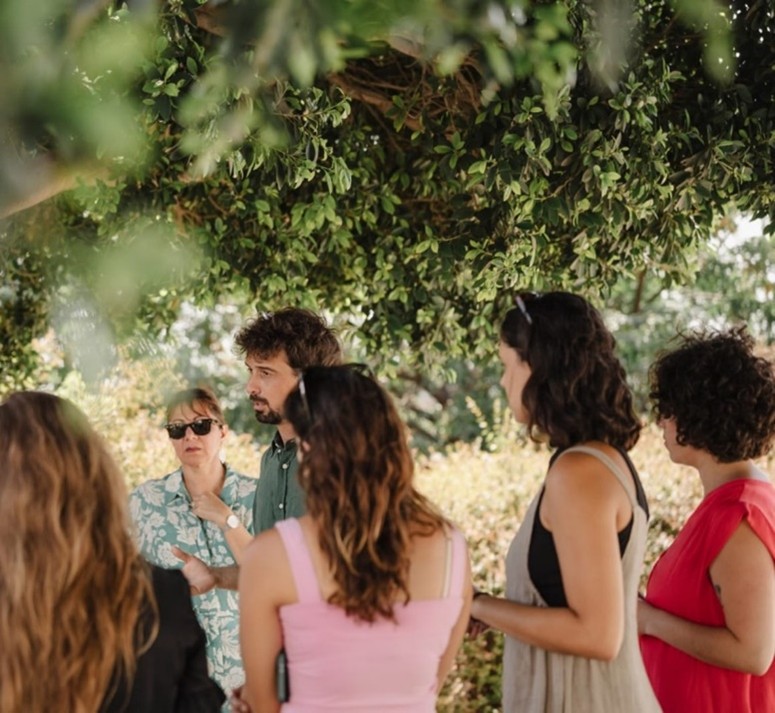
Figure 3: Iberostar educates employees about the regreening initiative
Business Impact
Benefits
The Regreening strategy delivers substantial and measurable business benefits by directly linking nature restoration to operational efficiency and risk reduction. One of the most immediate outcomes has been a significant reduction in water use, achieved through the replacement of invasive, high-water-demand plant species with native and endemic species that are naturally adapted to local conditions. Early monitoring results show an 84.7% reduction in irrigation needs year-on-year — from 111,600 litres in July 2024 to just 17,080 litres in July 2025 — demonstrating clear and quantifiable savings in operational costs.
By improving plant survival rates and landscape resilience, Iberostar also reduces the need for ongoing maintenance, replanting, and irrigation infrastructure repairs, which decreases operational expenditures over time. These efficiencies are particularly valuable for hotels operating in water-scarce regions, where the costs and reputational risks associated with high water consumption are rising.
Beyond the financial savings, the initiative strengthens brand reputation and reinforces Iberostar’s position as a global leader in responsible and regenerative tourism. Guests increasingly expect hotels to demonstrate visible environmental commitments, and the company’s re-greening efforts serve as a tangible example of its “Wave of Change” sustainability movement in action.
By integrating drought resilience through nature restoration into its property management model, Iberostar secures its long-term business continuity while aligning with investor and stakeholder expectations for sustainability performance. The approach demonstrates that investing in Nature-based Solutions not only protects natural resources but also enhances the stability, competitiveness, and resilience of tourism operations across the company’s global portfolio.
Costs
Implementing the Regreening strategy required an initial investment to carry out plant inventories, develop detailed landscaping action plans, and replace invasive species with native and endemic vegetation. The costs of these activities vary by location, depending on factors such as the size of each property, the extent of invasive species removal, and the availability of native plants suited to local climatic conditions. Additional resources were also needed for stakeholder engagement and collaboration with botanical gardens and research partners to ensure ecological accuracy and successful implementation.
While the upfront costs can be significant, they are progressively offset by long-term operational savings. The substantial reduction in irrigation demand — as demonstrated by the 84.7% year-on-year water savings — leads to lower utility bills, reduced maintenance needs, and improved plant survival rates, all of which contribute to ongoing cost efficiencies. Over time, the investment pays for itself through decreased water consumption and reduced operational risks associated with drought.
Furthermore, Iberostar continues to explore opportunities for external partnerships and subsidies to reduce the financial burden of large-scale implementation. Collaborations with local authorities, research institutions, and environmental programmes not only provide technical support but can also help unlock co-financing or incentive schemes for sustainable landscaping and water management. By framing re-greening as both a nature-positive and cost-effective strategy, Iberostar demonstrates that ecosystem restoration can align environmental responsibility with sound financial performance.
Potential side-effects
One of the challenges of this project concerned the partnerships with municipalities due to regulatory barriers of changing vegetation in and around the hotels. However, these barriers have been addressed through continuous stakeholder engagement and advocacy.
Implementation
Typical business profile
Businesses in the hospitality sector and other businesses operating in dry, water-scarce regions with large, maintained green spaces represent the typical business profile for this type of nature-based intervention.
Approach
-
Conducting property-level risk assessments across climate scenarios
-
Establishing environmental baselines with spatial data and local inputs
-
Using a traffic-light system to prioritise sites and actions
-
Linking drought response to an integrated water management strategy
-
Implementing the Regreening Strategy (near-term targets and protocols)
-
Conduct detailed plant inventories to support the implementation of the Regreening Strategy
-
Local implementation through pilots and partnerships
-
Quantifying early benefits through monitoring
-
Embedding governance, reporting, and verification mechanisms
-
Identify potential to upscale the intervention at other sites
Stakeholders involved
-
Nature Department: Leads the development and implementation of nature-based solutions.
-
Climate Action Department: Collaborates on designing strategies to mitigate climate risks.
-
Botanical Gardens: Assist in plant inventories and species classification.
-
Hotel Operations: Implement action plans and maintain sustainable landscapes.
Key parameters to consider
Consideration of local climate conditions, stakeholder buy-in, and availability of native plant species.
Implementation and operations tips
Generally, based on guidance and experience from leading organizations such as the International Union for Conservation of Nature (IUCN), the World Resources Institute (WRI), and Arcadis, several critical success factors have been identified for corporate implementation of NbS:
-
Address a business challenge directly: NbS must be framed as part of a company’s business solutions toolkit to drive investment and adoption. For example, NbS designed for heatwaves can deliver measurable resilience benefits to the implementing business, as illustrated in this case study.
-
Deliver multiple benefits: NbS inherently provide biodiversity gains while contributing to climate mitigation and offering societal benefits. With limited sustainability budgets, prioritizing projects that deliver multiple outcomes increases their attractiveness to companies.
-
Implement at a landscape level: Deploying NbS across a landscape maximizes their effectiveness and cost efficiency, enabling collective resilience that protects multiple stakeholders from natural hazards. Therefore, upscaling NbS is crucial.
-
Accurately value benefits: Proper valuation should capture avoided losses, operational savings, and enhanced asset value, which strengthens the case for private investment and ensures long-term maintenance and sustainability.
-
Leverage technical and local expertise: Successful NbS implementation depends on technical know-how, thorough planning, and understanding of local environmental conditions. Working in a multistakeholder, landscape-level context requires strong project management, stakeholder coordination, and potentially support from funding partners to overcome long lead times and landscape-specific challenges.
By focusing on these success factors and integrating monitoring, cost-effective resource use, and holistic benefits evaluation, companies can overcome implementation challenges, drive adoption at scale, and ensure the long-term operational success of Nature-based Solutions.