Context
Danone is a multinational food company headquartered in France, operating in the dairy and plant-based nutrition sectors. In Brazil, the company is investing in the future of pasture-based milk farms. The Brazilian Cerrado, located predominantly on Brazil’s Central Plateau, is the second-largest biome in the country, spanning over 198 million hectares. The 38 million hectares of degraded pasture land in the Cerrado causes social, economic and environmental losses through negative impacts on soil and the creation of soil erosion. Combined with climate change, the degradation of pastures makes pasture-based dairy farmers vulnerable: low profitability and productivity create a generational succession challenge, which threatens the continuity of dairy farming in the medium and long term. Promoting integrated crop-livestock-forestry production systems (ICLF), whereby agricultural production integrates with animal farming and forestry through agroforestry, intercropping, crop rotations and rotational grazing, can optimize land use, enhance overall productivity, improve soil fertility, diversify income streams, and promote the ecological resilience of a farm. Rede ILPF, a public-private organization formed by agribusinesses and the Brazilian Agricultural Research Corporation (EMBRAPA), advances ICLF implementation in the Cerrado by providing training on integrated farming to farmers, rural extensionists and financial sector representatives. Flora Journey aims to address dairy farmer challenges – including low efficiency and profitability and high carbon footprints – as well as business risks such as future security of supply.
Solution
Launched in 2019, the Flora Journey (Jornada Flora) develops and promotes regenerative agricultural production models that are environmentally friendly, socially fair and profitable through the establishment of a regenerative system for pasture-based milk production that benefits farmland, farmers and animals in the Brazilian Cerrado by 2030.
Flora Journey started with a pilot supporting farmer adoption of Voisin-style rotational grazing that has since scaled to a model promoting ICLF systems to rebuild soil health and reduce soil erosion, improve soil nitrogen fixation and carbon sequestration, restore biodiversity and reduce needs for mineral fertilizers and crop protection products, while improving farms’ feed self-sufficiency, economics and animal welfare along the way.
Key steps include:
-
Training farmers in Voisin-style rotational grazing and ICLF systems
-
Providing technical assistance tailored to farm maturity
-
Facilitating access to rural credit through partnership with Banco do Brasil
-
Promoting animal welfare through trainings in best practices for calf management
-
Supporting deforestation-free soybean meal sourcing through Danone’s membership in the Roundtable on Responsible Soy (RTRS)
-
Establishing a demonstration farm for peer learning
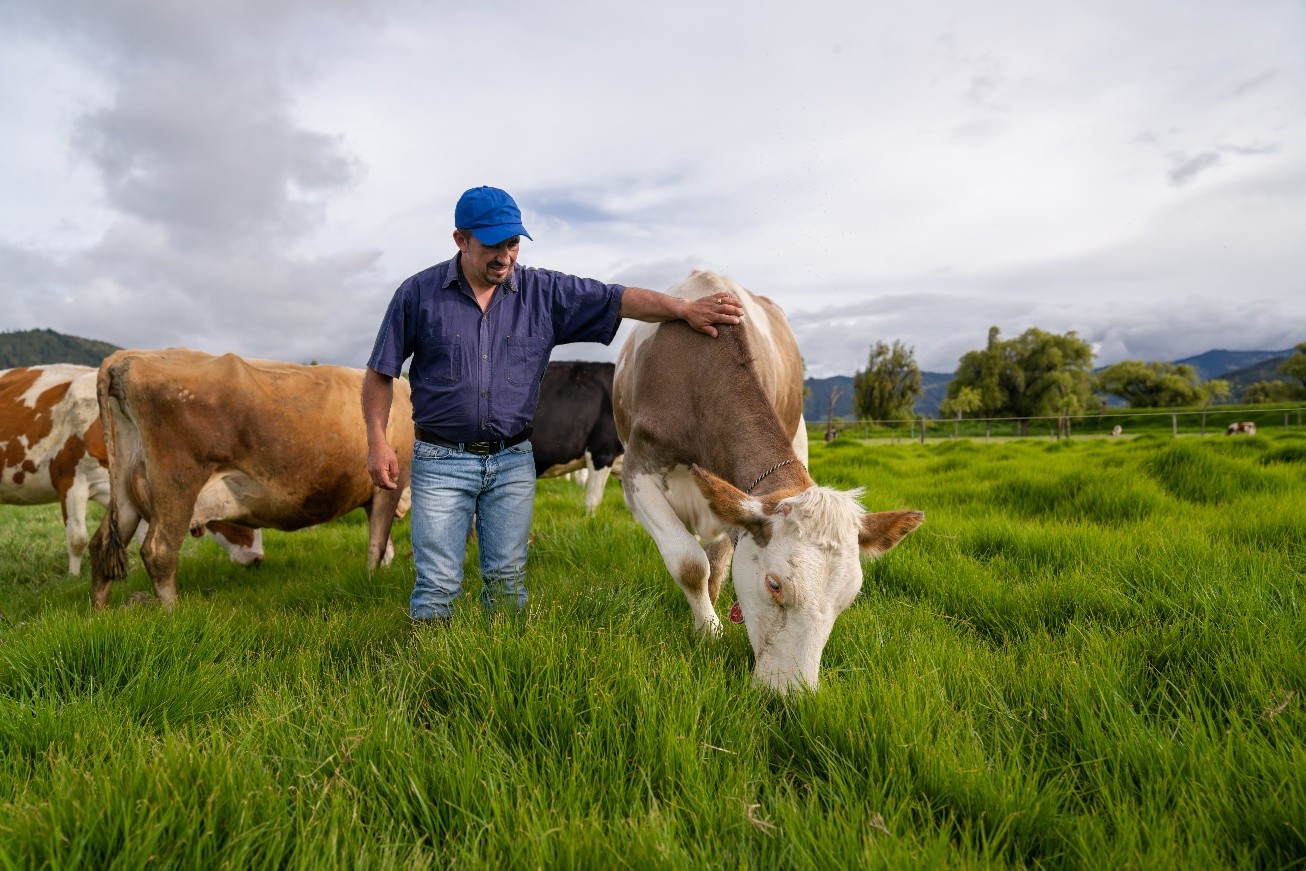
Figure 1: Brazilian dairy farmer in the field
Impact
Sustainability impact
Climate
-
Targets Scope 3 emissions, on dairy goods
-
47% reduction of emissions of kg co2eq/kg fat and protein corrected milk formulation per litre of milk from 2020-2024
-
Enables further reductions via regenerative pasture management and input optimization
Nature
-
20% increase in ground cover & cover cropping in areas using no-till farming
-
17% increase of organic matter in areas using cover crops, comparing the 23-24 and 22-23 growing seasons
-
28% reduction of fertilizer per metric ton of feed produced
-
Supports biodiversity restoration and soil health
Social
-
151 farmers supported across 5,500 hectares
-
20% increase in daily milk productivity
-
Improved animal welfare and reduced calf mortality (98% of farms diagnosed)
-
Enhanced farmer income and resilience
Business impact
Benefits
-
Increased productivity and milk quality
-
Reduced input costs and improved feed self-sufficiency
-
Access to technologies and ESG bonuses
-
Strengthened supply chain security
Costs
-
Initial investment in training, infrastructure, and labour
-
BRL 100 million in rural credit made available in 2025 as part of Danone – Banco do Brasil partnership, doubling 2024 investments
-
Plano Safra (Harvest Plan), a government program that aims to support Brazilian agriculture, and specifically small and medium-sized enterprises (SMEs), mobilizes the capital.
-
Costs mitigated through joint input purchasing and ESG Bonus – farmers who achieve a carbon footprint emissions factor reduction greater than 20% compared to the previous year benefit from the bonus.
Implementation
Typical business profile
-
Dairy and agrifood companies
-
Operating in tropical and subtropical regions
-
Engaged in pasture-based livestock systems
-
Mid to advanced stage in Net Zero/Nature Positive journey
Approach
-
Identify eligible farmers and map degraded areas
-
Provide tailored technical assistance and training
-
Facilitate access to rural credit and ESG bonuses
-
Promote regenerative practices and animal welfare standards
-
Monitor progress via MRV tools and field assessments
Stakeholders involved
-
Project Leads: Danone Brazil,
-
Company Functions: Procurement, Sustainability, Farm Management
-
Main Providers: Banco do Brasil, Embrapa, SEBRAE, Labor Rural, Rede ILPF
-
Others: Farmers, NGOs
Key parameters to consider
-
Mature initiative with proven results
-
2–3 years to scale initial implementation
-
Requires technical support and access to credit
-
Supported by government subsidies and ESG incentives
Implementation and operations tips
-
Build trust through peer learning and demonstration farms
-
Tailor support to farm maturity and needs
-
Monitor progress with digital tools and field visits
-
Encourage farmer engagement through transparent contracts and bonuses
Going Further
External links